

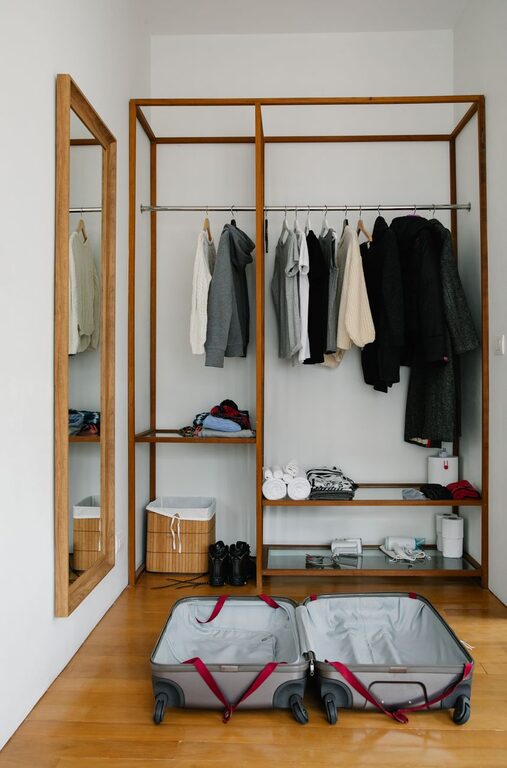
Storing seasonal clothes efficiently can save you space, protect your garments, and make your wardrobe easier to manage. Whether you’re putting away bulky winter coats or swapping out summer dresses, organizing your seasonal clothes properly can prevent damage and make your life simpler when it’s time to rotate your wardrobe. Here’s a comprehensive guide to help you store your seasonal clothes efficiently.
Why Store Seasonal Clothes Properly?
Storing your seasonal clothes incorrectly can lead to wrinkling, fading, moth damage, or even loss of shape. Efficient storage helps you:
– Maximize closet space
– Keep clothes in good condition
– Simplify your dressing routine by having only current-season items accessible
– Save money by protecting your garments and avoiding replacement costs
Before You Store: Prepare Your Clothes
Clean Everything
Always wash or dry clean clothes before storing them. Dirt, oils, and stains can attract pests and cause fabrics to deteriorate over time.
– Follow care labels carefully.
– Make sure clothes are completely dry to prevent mildew.
– Iron or steam garments to avoid excessive wrinkles.
Repair and Sort
Check for loose buttons, broken zippers, or small tears and mend them before storage. Sort clothes by type or fabric to make future access easier.
Best Storage Solutions for Seasonal Clothes
Use Breathable Storage Containers
Avoid plastic bags or containers that trap moisture and can cause mildew. Instead, opt for:
– Cotton or canvas garment bags
– Breathable fabric storage bins
– Vacuum-sealed bags designed for clothes (use cautiously to avoid crushing delicate fabrics)
Clear Bins for Visibility
If you prefer plastic bins, choose clear ones with secure lids. This allows you to quickly see what’s inside without opening every box.
Label Everything
Label your containers clearly with the contents and season. This will save you time when you’re ready to swap out your wardrobe.
Utilize Under-Bed Storage
Flat storage bins that slide under the bed are great for storing off-season shoes, sweaters, or accessories.
Organizing Tips for Different Types of Clothes
Bulky Items (Coats, Sweaters)
– Fold chunky sweaters loosely to avoid stretching.
– Use sturdy garment bags for coats to protect from dust.
– Store items in a cool, dry place away from direct sunlight.
Delicate Fabrics (Silk, Linen)
– Store in acid-free tissue paper inside breathable bags.
– Avoid vacuum sealing delicate fabrics; it can damage fibers.
Shoes and Accessories
– Store shoes with shoe trees or stuff with acid-free tissue to keep shape.
– Use small clear boxes or organizers for scarves, hats, and gloves.
– Consider hooks or small baskets for frequent-access items.
Preventing Damage During Storage
Control the Environment
– Keep storage areas clean, dry, and well-ventilated.
– Use silica gel packets or other moisture absorbers to prevent mold.
– Avoid areas prone to extreme temperature changes, such as attics or basements.
Pest Prevention
– Use natural repellents like lavender sachets or cedar blocks.
– Regularly inspect stored clothes for any signs of pests.
Avoid Overpacking
Don’t cram too many items in one container or bag. Overpacking can cause wrinkles and damage the clothing’s shape.
Making Seasonal Swaps Easy
– Plan your wardrobe rotation in advance.
– Keep a checklist of what you store and where.
– Rotate clothes seasonally and refresh your wardrobe organization each time.
Bonus: Space-Saving Tips
– Use slim, non-slip hangers to maximize closet space.
– Roll some clothes instead of folding to save space.
– Consider multi-tiered hangers for pants or shirts.
Conclusion
Efficiently storing your seasonal clothes isn’t just about tidying up—it’s about protecting your garments and making your daily routine easier. By cleaning and preparing your clothes, choosing the right storage solutions, and maintaining a clean environment, you’ll keep your wardrobe organized and in great condition year after year. Happy organizing!