

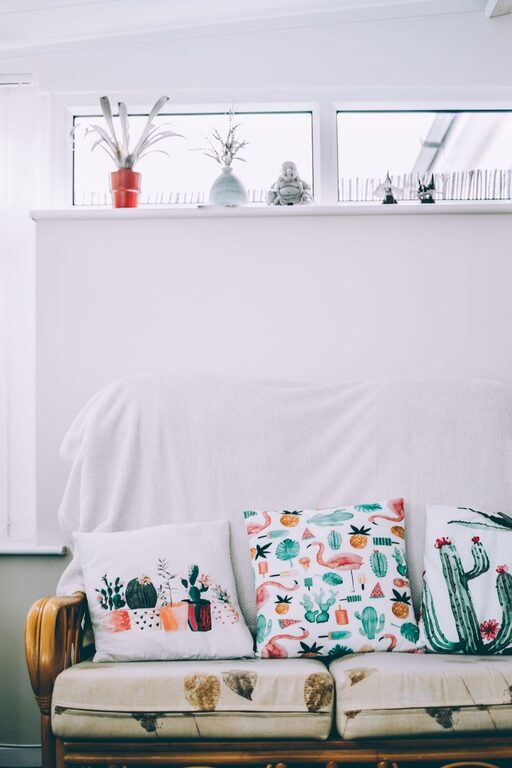
A dark room can often feel cramped, dull, and uninviting. Whether it’s a small bedroom, living room, or office, lacking natural or sufficient light affects not only the space’s appearance but also your mood and productivity. Fortunately, brightening a dark room doesn’t always require expensive renovations or major overhauls. With a few smart choices and quick fixes, you can transform any dim space into a cheerful, well-lit area.
In this post, we’ll explore practical and easy ideas that help increase light, enhance brightness, and make your dark room feel more open and airy.
Understand the Sources of Darkness
Before diving into fixes, it’s important to identify why the room feels dark. Common reasons include:
– Limited natural light due to small or few windows
– Heavy or dark window coverings blocking sunlight
– Dark wall colors or flooring
– Inadequate artificial lighting
– Clutter or heavy furniture interfering with light flow
Once you pinpoint the causes, you can apply targeted strategies to improve the brightness.
Maximize Natural Light
1. Choose Sheer or Light Curtains
Replacing heavy drapes or dark blinds with sheer curtains can instantly allow more light to enter. White or light-colored window treatments reflect sunlight, brightening the room without sacrificing privacy.
2. Keep Windows Clean
It sounds simple, but dirty windows can block a surprising amount of sunlight. Regularly cleaning both the inside and outside of your windows helps maximize available natural light.
3. Use Mirrors Strategically
Mirrors reflect light and create a sense of depth, making rooms appear brighter and bigger. Position a large mirror opposite or adjacent to a window to bounce daylight across the room.
4. Remove Obstacles Outside Windows
Trim overgrown bushes, trees, or outdoor décor that may be shading your windows. Even small adjustments can significantly improve natural light flow.
Improve Artificial Lighting
5. Layer Your Lighting
Relying on a single overhead light often leaves shadows. Use a combination of:
– Ambient lighting (ceiling lights)
– Task lighting (desk lamps, reading lamps)
– Accent lighting (wall sconces, LED strips)
Layered lighting fills the room evenly and reduces dark corners.
6. Opt for Bright, Warm Light Bulbs
Choose LED bulbs that offer bright, warm light with a color temperature between 2700K and 3000K. These bulbs create a cozy yet luminous atmosphere without harshness.
7. Add Floor and Table Lamps
Floor and table lamps are easy additions and movable, allowing you to direct light where it’s needed most. Place them in darker corners or near seating areas.
8. Use Reflective Fixtures and Shades
Lighting fixtures with reflective surfaces, like glass or metal, help disperse light better. Avoid thick or dark lampshades that absorb light.
Brighten Walls and Floors
9. Paint Walls in Light Colors
Light colors reflect more light than dark shades. Opt for soft whites, creams, pastels, or light grays to open up your space visually.
10. Use Glossy or Satin Paint Finishes
These finishes reflect light better than matte paints, adding subtle brightness without overwhelming shine.
11. Incorporate Light-Colored Flooring or Rugs
If changing flooring isn’t an option, add a light-colored rug to brighten the floor area. Neutral shades or soft patterns work well to lift darker floors.
12. Keep Walls Simple
Avoid heavy wall décor or overly dark artwork that can make the room feel heavier. Use bright or metallic picture frames for an elegant touch.
Declutter and Arrange Furniture Wisely
13. Declutter to Open Up Space
Clutter absorbs light and makes rooms feel cramped and dark. Regularly tidy the space to keep it open and airy.
14. Choose Low-Profile or Light-Colored Furniture
Bulky, dark furniture blocks light and visually shrinks the room. Opt for pieces that are lighter in color and smaller or transparent designs, such as glass tables or acrylic chairs.
15. Arrange Furniture to Allow Light Flow
Avoid placing large furniture near windows or in front of lighting sources. Keep pathways clear so light can travel freely.
Add Reflective and Bright Décor
16. Incorporate Metallic or Glass Accents
Items such as silver picture frames, glass vases, or mirrored trays can reflect light and add sparkle to the space.
17. Use Bright Accessories
Throw pillows, blankets, and artwork in lively colors can contrast darker elements and add energy.
18. Add Greenery
Plants with light-green leaves reflect some light and bring life to a room. Place them near windows or in bright spots to add freshness.
Smart Technology for Brightening
19. Install Smart Lighting
Smart bulbs let you adjust brightness and color temperature throughout the day to maintain a bright environment suited to your needs.
20. Use Light-Enhancing Window Films
These films increase light transmission while reducing glare and UV rays, improving natural lighting without heat build-up.
—
Final Thoughts
Brightening a dark room involves a mix of enhancing natural light, improving artificial lighting, and changing décor choices. You don’t need a full renovation; quick fixes like lighter curtains, mirrors, layered lighting, and decluttering can make a big difference. By following these ideas, you’ll create a welcoming, bright environment that feels more spacious and uplifting.
Start small, experiment with different ideas, and enjoy the transformation as your dark room becomes a bright and inviting space.