

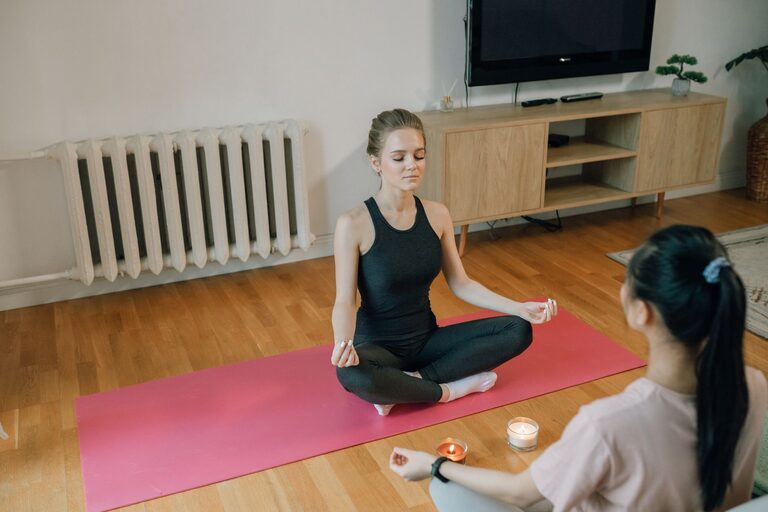
Taking mindful breathing breaks throughout your day is a simple yet powerful way to reduce stress, increase focus, and improve overall well-being. If you’re new to mindfulness and breathing exercises, this guide will help you start with easy tips that fit seamlessly into your daily routine.
What Is Mindful Breathing?
Mindful breathing means paying full attention to your breath—the sensation of air moving in and out of your body—without trying to change it. It encourages you to stay present and aware of the moment, which can calm your mind and relax your body.
Why Take Mindful Breathing Breaks?
In our busy lives, it’s easy to feel overwhelmed or distracted. Mindful breathing breaks offer several benefits:
– Reduces stress and anxiety
– Improves concentration and mental clarity
– Lowers blood pressure
– Promotes emotional balance
– Enhances relaxation and calmness
Even short breaks can make a difference when done regularly.
—
How to Start Mindful Breathing Breaks: Beginner Tips
1. Set a Reminder
When you’re new to mindful breathing, it helps to set reminders. Use your phone or computer to alert you every hour or two. Starting with 3-5 minute breaks is ideal.
2. Find a Comfortable Position
You don’t need to sit cross-legged on the floor unless you want to. You can:
– Sit in a chair with your feet flat on the ground
– Stand up and stretch gently
– Lie down on your back if that’s comfortable
The key is to keep your body relaxed but upright enough to breathe easily.
3. Focus on Your Breath
Gently bring your attention to your breathing. Feel the air entering your nose or mouth, filling your lungs, and then leaving your body. Notice:
– The rise and fall of your chest or belly
– The coolness of the air as you inhale
– The warmth as you exhale
Don’t worry if your mind wanders. When it does, gently bring your focus back to your breath.
4. Use a Simple Counting Method
Counting your breaths can help keep your mind focused. Try this:
– Inhale slowly and silently count “one”
– Exhale and count “two”
– Continue counting up to “five” and then start over
This keeps your mind engaged without adding pressure.
5. Practice Deep, Slow Breathing
Try breathing deeply from your diaphragm (just below your rib cage):
– Inhale slowly for a count of four
– Hold your breath gently for a count of two
– Exhale slowly for a count of six
This pattern encourages relaxation and helps reduce stress.
—
Tips for Making Mindful Breathing a Habit
1. Start Small and Build Up
Even one minute of mindful breathing can help. Gradually increase your break time as you feel more comfortable.
2. Tie Breathing Breaks to Daily Activities
Link your mindful breathing to regular events like:
– Before starting work
– After finishing a meeting
– During breaks in your commute
This makes it easier to remember.
3. Create a Calm Environment
If possible, find a quiet spot free from distractions. Dim the lights or close your eyes to enhance your focus.
4. Use Guided Resources
Apps and online videos can guide you through breathing exercises. This is helpful if you prefer structure or want variety.
—
Common Challenges and How to Overcome Them
Challenge: Mind Wandering
It’s normal for your thoughts to drift. When that happens, don’t get frustrated. Gently bring your attention back to the breath.
Challenge: Feeling Restless or Impatient
Mindful breathing takes practice. Try shorter sessions or mix in gentle stretches if you feel restless.
Challenge: Forgetting to Take Breaks
Use alarms or sticky notes to remind yourself. Over time, it will become a natural habit.
—
Additional Benefits of Mindful Breathing
Besides improving mental focus and lowering stress, mindful breathing can:
– Support better sleep quality
– Help manage symptoms of mild headaches or tension
– Encourage a positive outlook by promoting relaxation
—
Final Thoughts
Starting mindful breathing breaks doesn’t require special equipment or a lot of time—just a few minutes and your attention. By making mindful breathing a regular part of your day, you’ll likely notice improvements in your mood, energy, and ability to handle everyday challenges. Give it a try and enjoy the calm it brings!
—
Remember, the key to mindful breathing is consistency and gentle focus. Start with these beginner tips, and you’ll be on your way to a more mindful and relaxed you.