

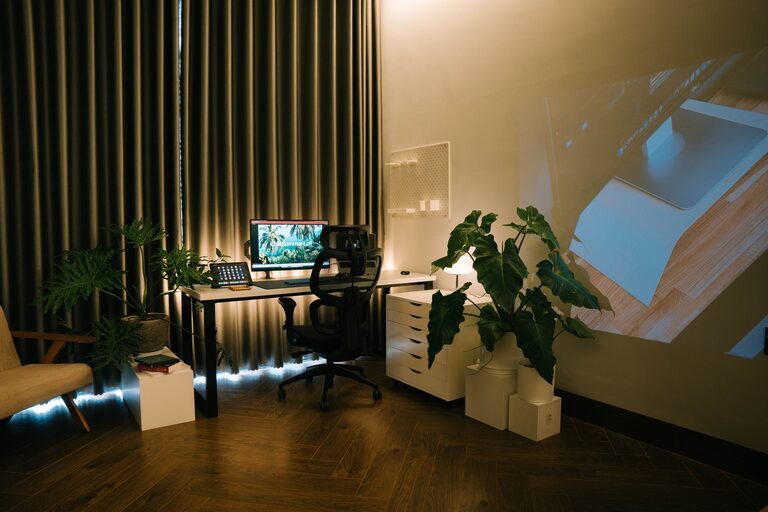
Creating a relaxing home workspace is essential for anyone looking to stay productive while maintaining a peaceful mindset. Whether you work remotely full-time or just need a spot for occasional tasks, your environment can significantly impact how you feel and perform. This guide will walk you through practical tips and ideas to help you craft a workspace that feels both calming and efficient.
Why a Relaxing Workspace Matters
A relaxing workspace isn’t just about comfort—it directly affects your focus, creativity, and overall well-being. When your environment reduces stress and distractions, you can approach tasks with a clearer mind and less fatigue.
Choosing the Right Location
Find a Quiet Spot
Pick an area in your home with minimal noise and few interruptions. It could be a spare room, a corner in the living room, or even a nook near a window.
Consider Natural Light
Natural light helps improve mood and alertness. Position your desk near a window if possible. If natural light is limited, choose soft, warm lighting to reduce eye strain.
Declutter and Organize
Keep Only Essentials on Your Desk
A clutter-free desk contributes to a clutter-free mind. Keep only what you need daily, such as your computer, notebook, and a pen.
Use Storage Solutions
Use shelves, drawers, or bins to store papers, cables, and other items out of sight. Label containers to find things quickly.
Maintain Regular Cleaning
Set aside a few minutes at the end of each day to tidy your workspace. This habit keeps your area inviting and ready for the next day.
Choose Comfortable and Functional Furniture
Invest in a Good Chair
Comfortable seating supports your posture and reduces physical stress. Adjustable chairs with lumbar support are ideal.
Desk Size Matters
Select a desk that fits your space and provides enough room for your tools without feeling cramped.
Consider Ergonomics
Position your monitor at eye level, keep your keyboard and mouse within easy reach, and ensure your feet rest flat on the floor or a footrest.
Add Calming Elements
Incorporate Plants
Indoor plants improve air quality and add a touch of nature that can reduce stress and boost creativity.
Choose Soothing Colors
Soft colors like blues, greens, or neutrals create a peaceful atmosphere. Avoid overly bright or harsh tones.
Use Scents Mindfully
A subtle scent from essential oils or candles can enhance relaxation. Lavender and eucalyptus are popular choices.
Minimize Distractions
Manage Noise
If you can’t control ambient noise, consider noise-canceling headphones or background music that helps you focus.
Limit Digital Interruptions
Turn off non-essential notifications on your devices. Use apps that block distracting sites during work hours.
Personalize Your Space
Display Inspiring Items
Add photos, artwork, or quotes that motivate you but don’t crowd your desk.
Balance Personal and Professional
Keep personal items minimal to maintain a professional feel without losing your unique touch.
Establish Boundaries
Set Clear Work Hours
Define specific times for work to help you switch between focus and relaxation modes.
Create a Transition Ritual
Start your workday with a routine like making coffee or stretching to signal your brain it’s time to focus.
Final Thoughts
Designing a relaxing home workspace takes some thought, but the benefits are well worth it. By choosing the right location, decluttering, selecting comfortable furniture, and adding calming touches, you can create an environment that supports both productivity and peace of mind. Take small steps and adjust your space until it feels just right for you. Your work and well-being will thank you!